











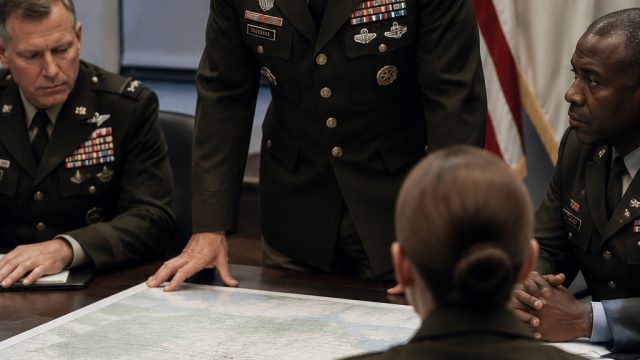
Major Changes in US Army Leadership Amid Strategic Review
The US Army is witnessing a significant shift in its leadership structure as senior officials undertake a vital assessment of military support for NATO allies. Recent developments point to the impending retirement of some key figures, which could have far-reaching implications for military operations and partnerships worldwide.
The Context of Leadership Changes
In an era where geopolitical tensions are escalating, particularly in Europe, the importance of stable military leadership cannot be overstated. The ongoing review led by prominent political figure Pete Hegseth is reshaping the landscape of military command. This internal reevaluation reflects broader concerns about US commitments to NATO and the ongoing support of allied countries, especially amidst the backdrop of the ongoing conflict in Ukraine.
Retirement of Key Personnel
The retirement of high-ranking generals, including the notable figure known as the last soldier to exit Afghanistan, marks a pivotal moment in the Army's strategic planning. As these seasoned leaders step down, their replacements will need to adapt quickly to new challenges that threaten global security.
- Shift in strategic focus towards Europe
- Increased emphasis on NATO cooperation
- Navigating complex international relations
Implications for NATO and Global Security
The changes in military leadership come at a crucial time when NATO's response to threats from Russia and other adversaries is under intense scrutiny. With discussions surrounding military funding and commitment levels, the outcome of Hegseth's review will likely influence US foreign policy and military readiness.
Current Geopolitical Landscape
As tensions rise in Eastern Europe and the Middle East, the need for a strong, unified military front has never been more critical. The US Army's reorganization could potentially enhance or undermine NATO's collective defense strategies, depending on how effectively new leaders can navigate the shifting dynamics.
Looking Ahead: The Future of US Military Leadership
Looking forward, the US military's ability to maintain its global presence and effectively engage with allies is contingent upon a seamless transition of leadership. As new commanders take charge, their vision and strategies will shape the Army’s operational capabilities and alliances.
Focus on Training and Preparedness
A renewed focus on enhanced training protocols and readiness measures will be crucial for the incoming leadership. As the Army aligns itself with NATO objectives, leaders must prioritize:
- Modernizing military practices
- Fostering international collaboration
- Preparing for unconventional warfare scenarios
Conclusion
As the US Army undergoes this leadership transformation amidst Pete Hegseth's ongoing review, the implications for NATO and global security are profound. The coming months will be critical as new leaders emerge and strategies are put into place. The ability to respond effectively to international challenges depends on how well these transitions are managed and whether the Army can uphold its commitments to allies. Stakeholders must remain vigilant and proactive as these developments unfold, ensuring that the US military is prepared for any threats that may arise in this ever-changing geopolitical landscape.