











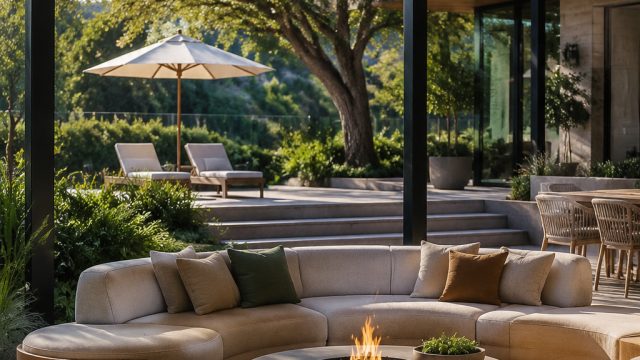
Exploring the Future of Outdoor Design Trends
As we approach the end of 2023, the realm of outdoor design is on the brink of transformation. Experts in the industry are predicting exciting shifts that will redefine our outdoor spaces in 2026. The convergence of technology, sustainability, and aesthetic appeal is creating new opportunities for both residential and commercial landscapes. This timely exploration of outdoor design trends is crucial for homeowners, architects, and designers who wish to stay ahead of the curve.
The Role of Sustainability in Outdoor Design
Sustainability has become a cornerstone of modern design principles. In the coming years, we can expect a pronounced emphasis on eco-friendly materials and practices.
1. Eco-Friendly Materials
Outdoor spaces will increasingly feature materials that minimize environmental impact. Options such as reclaimed wood, recycled metal, and natural stones are gaining traction. These materials not only enhance the aesthetic but also contribute to a sustainable future.
2. Water Conservation Techniques
Innovative irrigation systems and drought-resistant landscaping are set to become standard practices. Utilizing native plants that require less water can significantly reduce waste and maintenance costs.
Technological Advancements in Outdoor Living
Technology integration is another major trend shaping outdoor spaces. From smart lighting to automated irrigation systems, technology enhances both functionality and convenience.
1. Smart Home Integration
Homeowners will be able to control outdoor lighting, heating, and irrigation through their smartphones. This level of control not only boosts comfort but also optimizes resource use.
2. Outdoor Entertainment Systems
With advancements in audio and video technology, outdoor entertainment systems are becoming more sophisticated. Home theaters and sound systems designed for outdoor use will attract those seeking to maximize their enjoyment of their backyards.
Aesthetic Trends: Blending Nature with Design
The visual appeal of outdoor spaces will continue to evolve, with designs that harmoniously fuse nature and architecture.
1. Biophilic Design Principles
Biophilic design, which emphasizes the connection between humans and nature, will become increasingly popular. Incorporating elements like living walls and green roofs can create serene, natural environments that promote well-being.
2. Modern Minimalism
As people seek clutter-free lives, modern minimalism will influence outdoor spaces as well. Clean lines, simple furniture, and open spaces will help create tranquil settings that enhance relaxation.
Conclusion: Embracing the Future of Outdoor Spaces
As we move toward 2026, being aware of these emerging outdoor design trends is essential for anyone involved in this field. The emphasis on sustainability, technology, and aesthetic harmony will not only reshape our outdoor experiences but also contribute to a healthier planet. Designers and homeowners alike should prepare to embrace these changes to create inviting and environmentally friendly outdoor spaces. The future of outdoor design is not just about aesthetics; it’s about creating sustainable and enjoyable environments for everyone.